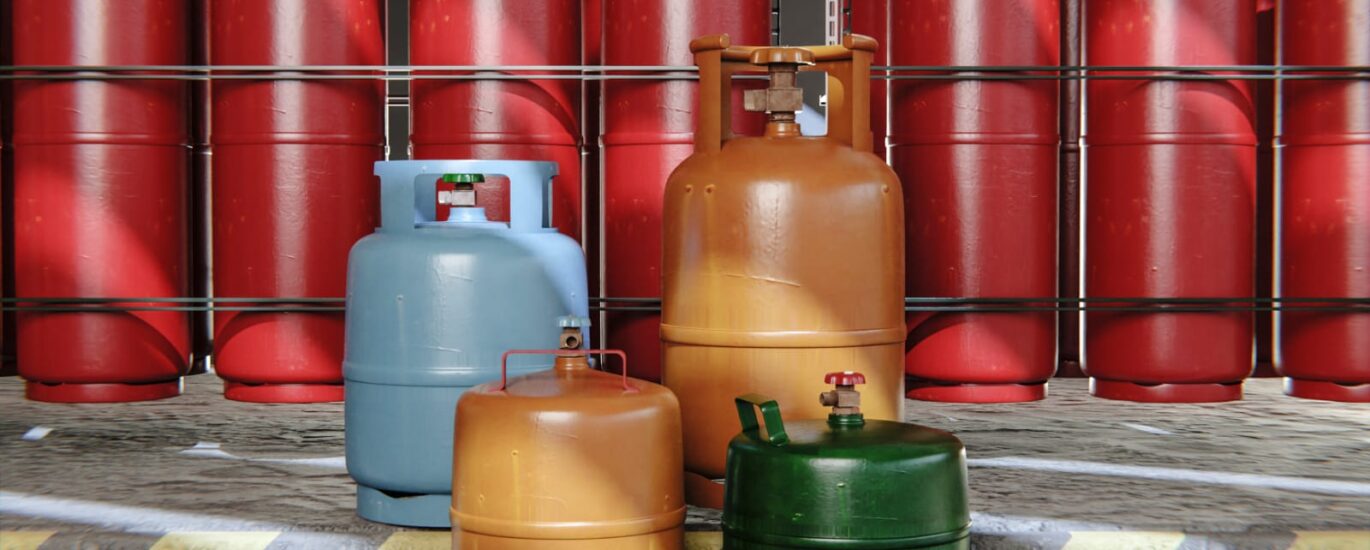
India is facing an LPG shortage that is affecting millions of households and small businesses across the country. Reports of rising gas cylinder prices, delayed deliveries, and panic buying have sparked concerns nationwide. From city apartments to roadside food stalls, people are feeling the impact in their kitchens and livelihoods.
While some online posts have spread rumors about a “complete LPG shortage,” the reality is more nuanced. There are genuine supply pressures caused by global energy disruptions, but authorities assure that stocks are being managed carefully.
The shortage is primarily linked to global energy market disruptions, particularly following the Iran war in 2026, which has affected crude oil and LPG supplies worldwide. India imports a significant portion of its LPG, and delays in shipments from the Middle East have created temporary supply gaps.
Domestic production is ongoing, but high demand combined with logistical challenges has strained the supply chain. Some states are experiencing delays in delivery, while urban areas report panic buying that worsens shortages at the local level.
For households, the shortage has meant-
Small vendors and businesses are also struggling. Street food vendors, small restaurants, and tea stalls rely heavily on LPG cylinders for daily operations. Many have reported cutting back hours or changing menus due to fuel limitations.
One tea stall owner in Delhi said, “We usually get two cylinders a month, but now delivery is delayed. I may have to close for a few days if this continues.”
Social media has amplified the sense of urgency. Videos of empty gas dealer yards and long queues at refilling stations have circulated widely. This has caused panic buying in some regions, further straining supply.
Experts warn that while the shortage is real, claims of a complete gas blackout across India are false. Stocks exist, but distribution is being prioritized, with households receiving priority over commercial users.
The government and LPG companies are taking several steps to stabilize the situation-
According to officials, India currently has sufficient LPG stocks for several weeks, though supply chain adjustments are ongoing to prevent delays.
While large households may absorb minor delays, small vendors are more vulnerable. Street food stalls, restaurants, and roadside tea shops operate on tight margins and rely on timely fuel delivery. A single delayed cylinder can mean a day or more of lost business.
Consumers, too, are adjusting. Some are using alternate cooking methods, such as induction stoves or firewood in rural areas, while urban families wait for deliveries.
The shortage is real, but exaggerated reports of a complete gas crisis are false. India’s LPG stock is being actively monitored, and distribution networks are working to ensure households receive their supplies. Panic buying and social media rumors have amplified anxiety, but officials stress that there is no need to hoard cylinders.
The 2026 LPG shortage in India highlights the country’s dependence on imported fuel and the vulnerabilities of supply chains during global crises. While households and small businesses are feeling the impact, authorities are actively managing stocks to ensure essential supply continues.
By staying informed, avoiding panic buying, and following official guidance, Indian families and vendors can navigate this temporary disruption safely.