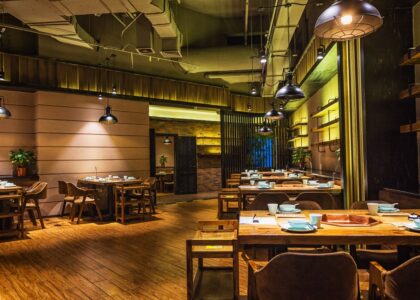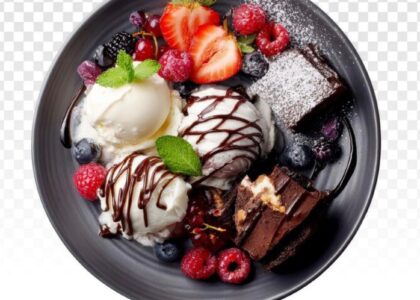
Delhi is a city that tells its story through food. From the narrow lanes of Old Delhi, filled with the aroma of freshly fried kachoris, to the elegant restaurants serving rich Mughlai curries, the capital offers an extraordinary mix of flavours, traditions and culinary influences.
For first-time visitors, exploring the best food in Delhi is just as important as visiting its historical monuments. The city’s food culture combines Mughlai heritage, Punjabi flavours, traditional North Indian recipes and vibrant street-food traditions. Every neighbourhood has something different to offer, whether you are craving spicy chaat, buttery parathas, smoky kebabs or a refreshing glass of lassi.
If you are planning a trip to the capital, this Delhi food guide covers 12 iconic dishes that deserve a place on your itinerary.
1. Chole Bhature- Delhi’s Ultimate Comfort Food
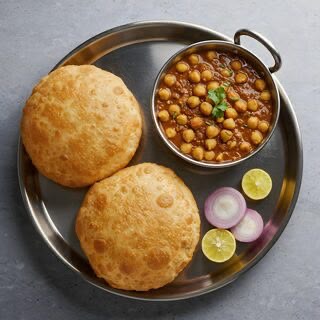
If there is one dish that captures Delhi’s love for indulgent food, it is chole bhature. This popular North Indian combination features spicy chickpea curry served with large, golden, deep-fried bhature.
The chole are typically cooked with aromatic spices, while the bhature are soft and airy inside, with a crisp exterior. Served with pickled onions, green chillies and tangy chutney, the dish makes a satisfying breakfast or brunch.
Where to try it- Sita Ram Diwan Chand in Paharganj and popular chole bhature outlets around Karol Bagh are worth exploring.
Best time to eat- Breakfast or brunch.
Why try it- It is one of the most recognisable dishes associated with Delhi’s everyday food culture.
2. Parathas of Chandni Chowk- A Taste of Old Delhi
A visit to Delhi is incomplete without exploring the famous Paranthe Wali Gali in Chandni Chowk. This historic lane is known for its stuffed parathas, prepared with fillings ranging from potato and cauliflower to paneer and other traditional ingredients.
Unlike the simple homemade paratha, these versions are often richer and served with potato curry, chutneys, pickles and other accompaniments.
The experience is about more than the food. The crowded lanes, old shopfronts and bustling market atmosphere make eating here feel like stepping into another era of Delhi.
Where to try it- Paranthe Wali Gali, Chandni Chowk.
Best time to eat- Late morning or lunch.
Why try it- It combines traditional North Indian flavours with the heritage and character of Old Delhi.
3. Aloo Tikki Chaat- Delhi’s Favourite Street Snack
Delhi’s street-food scene is famous for its bold flavours, and aloo tikki chaat is one of its highlights. Crispy potato patties are topped with tangy chutneys, yoghurt, chickpeas and a generous sprinkling of spices.
The magic lies in the contrast of textures- crunchy on the outside, soft inside, creamy from the yoghurt and sweet, sour and spicy from the chutneys.
Some vendors add sev, pomegranate seeds or extra masala to make the dish even more flavourful.
Where to try it- Bittoo Tikki Wala outlets or established chaat vendors in Chandni Chowk.
Best time to eat- Afternoon or early evening.
Why try it- It delivers the sweet, spicy and tangy flavours that define Delhi’s famous chaat culture.
4. Golgappe- A Must-Try Delhi Street-Food Experience
Known by different names across India, golgappe are an essential part of Delhi’s street-food identity. These crisp, hollow puris are filled with potato or chickpeas and dipped into tangy, spiced water.
Delhi vendors often offer several flavours of water, including mint, tamarind and hing-infused varieties. The result is a burst of flavour in every bite.
For many locals, eating golgappe is not simply about satisfying a craving. It is a social ritual, often enjoyed with friends while debating which vendor makes the best paani.
Where to try it- Well-established chaat shops in Rajouri Garden, Lajpat Nagar and Chandni Chowk.
Best time to eat- Late afternoon or evening.
Why try it- It is an affordable and exciting introduction to Delhi’s lively street-food culture.
Travel tip- Choose a busy vendor with good hygiene practices and freshly prepared ingredients.
5. Butter Chicken- Delhi’s Famous Mughlai-Inspired Classic
Butter chicken is among the most famous dishes associated with Delhi’s restaurant scene. The dish features tandoor-cooked chicken pieces simmered in a rich gravy made with tomatoes, butter, cream and aromatic spices.
Its creamy texture and balanced flavours make it popular with both Indian diners and international visitors. It is usually paired with butter naan, garlic naan or tandoori roti.
Delhi’s connection with butter chicken is closely linked to the city’s post-Partition culinary history and the development of its celebrated Punjabi restaurant culture.
Where to try it- Moti Mahal in Daryaganj is historically associated with the dish. Visitors can also explore established North Indian restaurants across the city.
Best time to eat- Lunch or dinner.
Why try it- It offers a taste of Delhi’s restaurant heritage and remains one of the city’s most internationally recognised culinary specialities.
6. Kebabs- Smoky, Spiced and Full of Flavour
Delhi’s Mughlai food traditions have helped make kebabs a favourite across the capital. From juicy seekh kebabs to soft, delicately spiced galouti-style preparations, the variety caters to different tastes.
Seekh kebabs are traditionally shaped around skewers and cooked until smoky and lightly charred. Other varieties are marinated with spices and herbs to create tender, flavourful bites.
In Old Delhi, kebabs are often served with roomali roti, sliced onions and mint chutney. The combination of smoky aromas, warming spices and freshly prepared accompaniments makes them especially popular for dinner.
Where to try it- Karim’s near Jama Masjid and established kebab restaurants in Old Delhi.
Best time to eat- Evening or dinner.
Why try it- Kebabs showcase the rich culinary influences that have shaped Delhi’s historic food culture.
7. Nihari- A Slow-Cooked Old Delhi Delicacy
For visitors interested in traditional Mughlai cuisine, nihari is a dish worth discovering. This slow-cooked stew is prepared with meat, warming spices and a rich gravy that develops its depth through prolonged cooking.
Historically associated with leisurely morning meals in parts of North India, nihari remains particularly popular among food lovers exploring Old Delhi.
It is commonly served with naan or other breads and garnished with ginger, coriander and green chillies. The slow cooking gives the dish its characteristic texture and intense flavour.
Where to try it- Traditional eateries around Jama Masjid and Matia Mahal.
Best time to eat- Morning or brunch, depending on the restaurant’s serving hours.
Why try it- It provides a glimpse into the slow-cooking techniques and culinary traditions of Old Delhi.
8. Daulat Ki Chaat- Old Delhi’s Delicate Winter Dessert
Daulat ki chaat is one of Delhi’s most unusual traditional sweets. Despite its name, it is not a savoury chaat but an exceptionally light, airy dessert traditionally associated with the winter months.
The delicate foam is prepared using milk and cream, with the process traditionally relying on cool temperatures and careful whisking. It is served with a dusting of sugar, sometimes accompanied by khoya, nuts or edible silver leaf.
Its texture is closer to a cloud than a conventional dessert, making it a memorable discovery for visitors unfamiliar with Old Delhi’s seasonal food traditions.
Where to try it- Seasonal street vendors around Chandni Chowk.
Best time to eat- Winter mornings, when it is traditionally available.
Why try it- It is a rare seasonal speciality that reflects the creativity of Delhi’s traditional sweet-makers.
9. Jalebi- A Sweet Ending to Your Food Walk
Jalebi is a classic Indian sweet that holds a special place in Delhi’s breakfast and dessert culture. Made from fermented batter shaped into spirals and fried until crisp, jalebi is soaked in sugar syrup before serving.
The best versions offer a satisfying contrast between a crunchy exterior and a syrup-filled centre. Some people enjoy jalebi on its own, while others pair it with milk or other traditional accompaniments.
In Old Delhi, watching fresh jalebis being fried in large pans is part of the experience.
Where to try it- Old Famous Jalebi Wala in Chandni Chowk is a well-known stop for traditional jalebis.
Best time to eat- Morning or evening.
Why try it- It is a familiar Indian favourite that tastes especially memorable when served fresh and warm.
10. Bedmi Puri with Aloo Sabzi- A Traditional Delhi Breakfast
Bedmi puri with aloo sabzi is another traditional breakfast combination worth adding to your Delhi food itinerary. Bedmi puris are made with a spiced lentil-based mixture incorporated into the dough, then fried until crisp and puffed.
They are served with a flavourful potato curry, often seasoned with cumin, chillies and other spices. The combination is filling, warming and particularly satisfying on a cool morning.
Unlike more familiar stuffed parathas, bedmi puri offers a different texture and a distinctive lentil-spice flavour.
Where to try it- Traditional breakfast shops in Old Delhi and established eateries around Chawri Bazar.
Best time to eat- Breakfast.
Why try it- It introduces visitors to the traditional breakfast dishes enjoyed across Delhi’s older neighbourhoods.
11. Momos- Delhi’s Modern Street-Food Favourite
Delhi’s food culture is constantly evolving, and momos have become one of the capital’s most popular everyday snacks. Originally associated with Himalayan and Tibetan food traditions, these dumplings are now widely available across the city.
Visitors can choose from steamed, fried, pan-fried and tandoori varieties, with fillings ranging from vegetables to chicken and other options.
The signature accompaniment is a fiery red chutney that adds heat and intensity. Tandoori momos, in particular, have developed a strong following among Delhi’s younger food lovers.
Where to try it- Momo outlets around Majnu ka Tilla, Lajpat Nagar and other busy market areas.
Best time to eat- Evening or as a quick snack.
Why try it- Momos reveal a more contemporary side of Delhi’s diverse and constantly changing food scene.
12. Lassi and Rabri Falooda- Traditional Refreshments and Desserts
After exploring Delhi’s spicy street food, a traditional drink or dessert can provide the perfect finish. Thick lassi, made from yoghurt, is popular for its cooling and refreshing qualities. Depending on the shop, it may be served sweet, salted or topped with cream.
Rabri falooda offers a more indulgent option. This dessert combines thickened milk, vermicelli, sweet syrup and other ingredients to create layers of flavour and texture.
Both are widely enjoyed in Delhi, particularly during warmer weather when visitors need a break between sightseeing stops.
Where to try them- Traditional sweet shops and lassi outlets in Chandni Chowk, Karol Bagh and other established market areas.
Best time to eat- Afternoon or after dinner.
Why try them- They offer a refreshing contrast to the bold spices and rich gravies found elsewhere in Delhi’s cuisine.
Best Areas in Delhi for a Food Lover
If you want to explore several iconic Delhi dishes without spending your entire trip travelling across the city, plan your food stops by neighbourhood.
Tips for Exploring Delhi’s Food Scene
Start early- Many of Old Delhi’s most popular breakfast dishes are best enjoyed in the morning, while some seasonal specialities are available only during particular months.
Carry cash- Although digital payments are widespread, keeping some cash is useful at small street-food stalls.
Eat strategically- Delhi portions can be generous. Share dishes with friends so you can sample more specialities without becoming full too quickly.
Choose hygienic vendors- Look for freshly cooked food, clean preparation areas and high customer turnover.
Check dietary preferences- Delhi offers plenty of vegetarian options, but recipes and preparation methods vary between outlets. Ask about ingredients if you have dietary restrictions.
Plan around traffic- Chandni Chowk and other popular markets can become crowded. Combining nearby food stops will make your experience more enjoyable.
Conclusion- Experience Delhi One Bite at a Time
Delhi is more than India’s political capital. It is a city where history, migration and regional traditions have created an extraordinary food culture.
From the comforting combination of chole bhature to the rich flavours of butter chicken and kebabs, every dish reveals a different side of the city. Chandni Chowk’s traditional sweets and chaat offer a glimpse into its historic streets, while momos reflect the changing tastes of modern Delhi.
For first-time visitors, the best approach is to explore gradually, follow local recommendations and leave enough room to discover unexpected favourites.
Whether you are planning a weekend getaway, a sightseeing holiday or a dedicated culinary trip, these iconic Delhi dishes provide the perfect starting point for discovering the capital through its food.
Eat local, explore the lanes and let Delhi surprise you with every bite.